


İnverter (İnvertör) Nedir, Ne İşe Yarar?
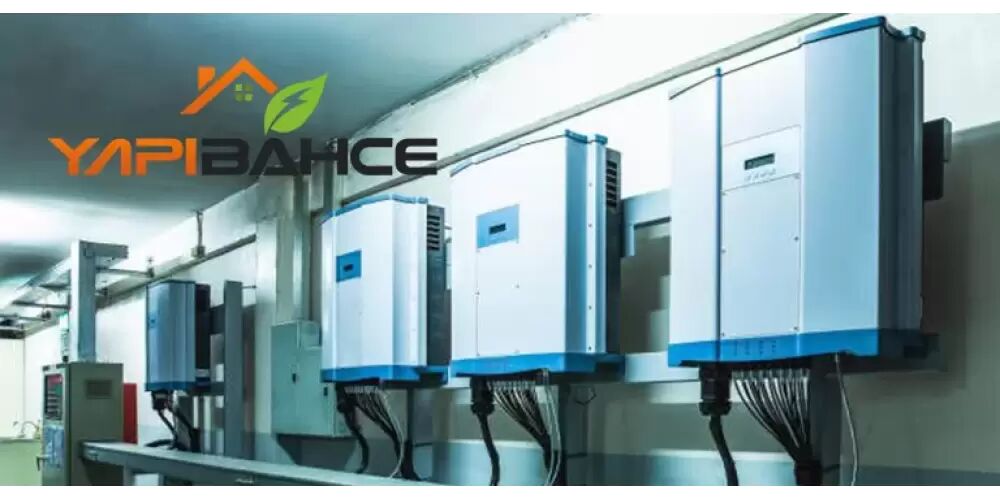
İnverter Ne Demek?
Solar enerji sistemini oluşturan ana malzemelerden biri olan inverter, bazı yerlerde invertör olarak biliniyor. Ancak her iki kullanım da doğrudur. "İnvertör mü inverter mi?" sorusunun da belirli bir cevabı yoktur; her iki tanım da bu cihazlar için kullanılabilir. İnvertör tanımı, İngilizce "inverter" kelimesinden türetilmiştir. "İnverter nedir, ne işe yarar?” gibi sorular son zamanlarda internet kullanıcıları tarafından sıkça aranan sorular arasında yerini alır. İnverterin ne olduğunu açıklamadan önce kısaca solar enerji sisteminden bahsetmemiz, inverterin ne için kullanıldığını daha iyi anlamanıza yardımcı olabilir. Çünkü inverter, solar enerji sisteminin çalışmasını sağlayan temel araçlardan bir tanesidir.
Konuya ilgisi olan ancak bilgisi olmayan okuyucularımız için kısaca solar enerji sistemi nedir, bahsedelim. Solar Enerji Sistemi, en temel anlamı ile güneşten gelen ışınları enerjiye çevirmeye yarayan sistemin adıdır. Günümüzde popüler ve tercih edilen, enerji üretiminde kullanılan sistemlerden bir tanesidir. Doğada bulunan kaynakların tükenme riski, enerji üretimi için farklı kaynak bulma arayışını doğurmuştur. Bu nedenle kendini yenileyebilen enerji kaynaklarına yönelim yaşanmıştır. Rüzgârdan, sudan ya da güneşten enerji üretim devrine geçilmiştir. Bu kaynakların tükenme ihtimalinin olmaması ve enerji üretimi konusunda çevreye zarar vermemesi daha fazla ilgi görmesine sebep olmuştur.
Güneş enerji sistemlerinin bu kadar tercih edilmesinin başka bir sebebi de kullanım alanlarının geniş olmasından kaynaklıdır. Özellikle elektrik kaynağı olmayan yaşam alanlarında kullanılmak için oldukça ideal bir sistemdir. Ayrıca pek çok açıdan da kullanımı avantajlıdır. Kendi enerjinizi ürettiğiniz için vergilendirmeye tabi olmazsınız ya da fatura ödemeniz gerek kalmaz. Bugün ülkemizde çoğu vatandaşımız gerek elektrik gerekse ısı için solar enerji sistemini kullanıyor. Güneşten gelen ışınları enerjiye çevirmesi ve bu enerjinin depolanabilir olması, kullanıcısına sunduğu avantajlardan sadece bir tanesidir. Enerji gereken aklınıza gelebilecek her alanda solar enerji sistemini kullanabilirsiniz. Kamp hayatı, elektrik kaynağı olmayan yaşam alanları, bahçe aydınlatmaları, solar lambalar vs. gibi pek çok alanda solar enerji sisteminin kullanıldığını söyleyebiliriz.
Peki, solar enerji sisteminin önemli bir parçası olduğunu söylediğimiz Solar İnverter nedir, ne işe yarar?
İnverter (İnvertör) Ne İşe Yarar?
Enerji üretiminde çığır açan bir sistem olan solar enerji sistemi belli malzemelerin bir araya gelip senkronize bir şekilde çalışması ile oluşur. Bu malzemelerden biri de inverter (İnvertör) aracıdır. İnverterle ilgili ilk olarak "Güç Çevirici” olduğunu söyleyebiliriz. Peki güç çevirici ne demektir? Güneşten gelen ışınlar enerjiye çevrilirken oluşan doğru akımı alternatif akıma çevirir. Ancak şu noktaya özellikle değinelim. İnverterle ilgili bilinen en büyük yanılgı, enerji ürettiği ile ilgilidir. İnverterler, elektrik üretmezler. Üretilen enerjiye yön verir ve kontrollü kullanılmasını sağlar. Doğru akımda var olan enerjinin gerilim hızı kontrolsüz olduğu için inverter sayesinde bu kontrolsüz akım alternatif akıma çevrilerek kullanıcının enerjiyi istediği gibi kullanmasına yardımcı olur.
Enerji üretimi gerçekleşirken oluşan akım dalgalı ve düzensizdir. Bu akımı kullanmak oldukça zor olacağı için inverter yardımı ile doğru akım alternatif akıma çevrilir. Böylece üretilen akımın kullanılması mümkün hale getirilir. Solar enerji sisteminde önemli bir göreve sahip olduğu için, sistemin olmazsa olmaz bir parçasıdır. Enerji akımını alternatif akıma çevirerek enerji kullanılacak aracın ihtiyacı kadar enerjiden yararlanmasına yardımcı olur.
İnverter (İnvertör) Özellikleri
Üretilen enerjinin çevrilmesini sağlayan inverter, bu sayede enerjinin ihtiyaç kadar kullanılmasını sağlar. Enerjiyi alternatif akıma çevirdiği için, üretilen enerjinin tasarruflu kullanılmasına yardımcı olur. Bunun yanı sıra yüksek akımdan dolayı oluşabilecek teknik arızaları engeller. Yüksek akıma maruz kaldığı için kullanılan araçta arıza durumları meydana gelebilir. Enerji ile çalışan her cihazın kaldırabileceği bir akım oranı bulunur. Bu akımdan fazlasına maruz kalması, cihazda hasar oluşmasına sebep olabilir. İnverter sayesinde enerji akımı cihazın kapasitesine uygun hale getirilir. Bu da sizi cihazların bakımı için ödeyeceğiniz masraftan kurtarmış olur. Cihazlarınızı daha uzun vadeli kullanabilirsiniz.
Sunduğu tasarrufun yanı sıra, üretilen enerjiden verimli bir şekilde yararlanmanıza da yardımcı olur. Üretilen enerjinin verimli şekilde kullanılması hem sizi daha güvende hissettirir hem de oluşabilecek masraf durumlarından tasarruf edebilirsiniz.
Ayrıca şebekelerde var olan gerilimi, akım hızını doğrultur. Son olarak şunu da söyleyelim, inverterler aç/kapat sistemi ile çalışmazlar. Otomatik bir sisteme bağlı olarak çalışır.
İnverter (İnvertör) Nerelerde Kullanılır?
Enerji akımının yönünü değiştirerek etkin bir şekilde kullanılmasını sağlayan cihaza inverter denir. Bu sayece üretilen enerji verimli bir şekilde kullanılır. Geniş bir kullanım alanına sahip olan inverter, ilk olarak ölçüm aletlerinde kullanılır. Hassas ölçüm için kullanılan bu aletlerde inverter kullanımı oldukça önemlidir.
Yenilenebilir enerji santrallerinde de inverter kullanılır. Yenilenebilir enerji kaynakları (rüzgâr, su, güneş) üzerinden enerji üretimi gerçekleşirken, üretilen enerjinin hızı düzensizdir. Dengeli bir enerji üretiminde söz edilemez. Enerji üretimi, bazen yüksek bir şekilde gerçekleşirken bazense düşük olabilir. Üretilen bu enerjinin akımının dengeli olabilmesi için inverter kullanılır. Çünkü burada elde edilen doğru akımı, alternatif akıma çevirir. Ayrıca üretilen akımının akü gibi depolama sisteminden enerji alınırken inverter kullanılır.
Ayrıca elektrik enerji ile çalışan cihazlarda da inverter bulunur. Elektrikle çalışan cihazlar, çalışmak için belli bir elektrik akıma ihtiyaç duyarlar. Cihazlar, güç kaynağından elektrik alırken akımın dengesi yine inverter yardımı ile sağlanır. Aydınlatma lambaları, elektrikli ev aletleri, elektrikli el aletlerinde de inverter kullanılır.
Kesintisiz güç kaynaklarında (UPS),hem inverter hem de konvektör kullanılır.
İnverter (İnvertör) Çeşitleri Nelerdir?
Genel olarak İnverter Çeşitleri iki kategoriye ayrılır. Şebeke hattına sahip olma durumuna göre 2 çeşit inverter vardır. Bu inverterler;
- Off Grid
- On Grid
olarak ifade edilebilir. Off Grid İnverter (şebeke dışı) çeşitleri, adından da anlaşılacağı gibi herhangi bir şebeke sistemine sahip olmayan inverterler için kullanılır. Elektrik şebeke hattı olmayan yerleşim yerlerinde kullanılan inverterlerdir. Elektrik güç kaynağı olmayan bulunmayan dağ evleri, yayla evlerinin elektrik ihtiyacını karşılamak için kullanılır. Depolamalı bir sisteme sahiptir. Üretilirken depolanan enerji, ihtiyaç doğrultusunda kullanılır.
On Grid İnverter (şebeke içi) ise bir şebekeye bağlı olarak çalışırlar. Bu sistem şu şekilde ilerler. Üretilen enerji dönüştürüldükten sonra şebekeye verilir. Bu sayede elektrik ihtiyacı olanlar şebeke üzerinden ihtiyacını giderir. On grid inverterler kendi içerisinde 3 gruba ayrılır. Bunlar, merkezi inverterler, dizi inverterler, mikro inverterlerdir. Kullanım alanına göre on grid inverter çeşitleri değişiklik gösterebilir.