


Lityum mu Jel Akü mü?
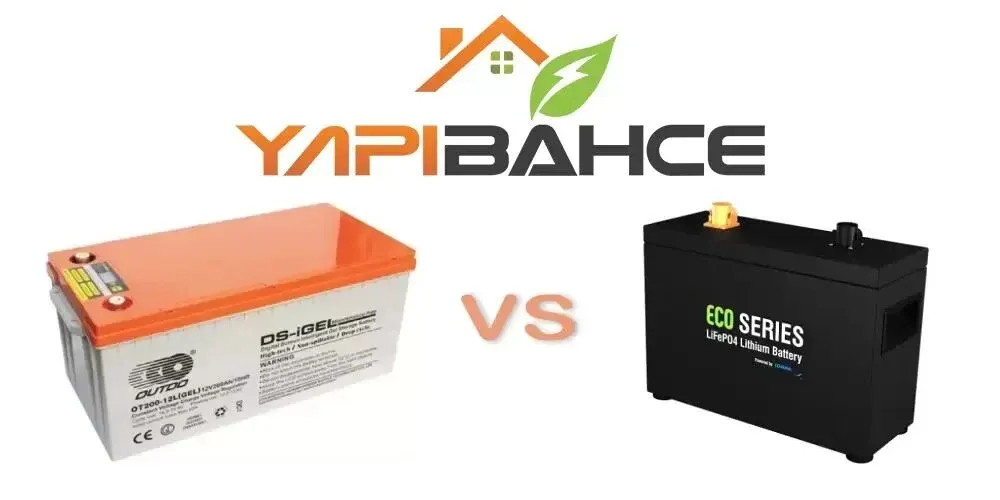
Energy storage in solar energy systems is one of the most critical steps in efficient operation. One of the most frequently asked questions at this point is: Lithium or gel battery? Both battery types have advantages, but factors such as intended use, system type, and budget will determine the right choice.
In this article, This article will detail the differences between lithium and gel batteries , their features, prices, lifespan comparisons, and what to consider when choosing the most suitable battery. Our goal is to provide simple and accurate information without going into excessive technical detail when selecting batteries for solar systems.
Moreover, You can find out why Yapıbahçe is a reliable choice with its high-quality battery options and after-sales support services at the end of the article. 
The Difference Between Lithium and Gel Batteries
The difference between lithium and gel batteries is primarily based on energy density, charge-discharge capacity, lifespan, and cost.
| Features | Gel Battery | Lithium Battery |
|---|---|---|
| Discharge Cycle | 500 - 1,000 | 2,000 - 6,000+ |
| Weight and Volume | Heavier, bigger | Lightweight and compact. |
| Charging Time | Medium - Slow | Fast charging capability |
| Price Range | More economical | Higher |
| Lifetime | 3-5 years | 8-12 years |
| Does it require maintenance? | No | No |
In light of these differences, Comparison of battery technologies The most suitable option depends on the intended use.
Advantages of Lithium Batteries
The advantages of lithium batteries stem from their technologically advanced design:
Longer lifespan and more discharge cycles.
Fast charging capability
Low weight and easy assembly.
Less affected by temperature changes
A structure that can be controlled with a secure battery management system (BMS).
For these reasons, lithium batteries are often preferred in systems that require continuous energy. 
Gel Battery Specifications
Gel battery features focus on a more economical and stable structure:
Similar to AGM technology, but uses gelled electrolyte.
Suitable for deep discharge.
Performance may be lost in extremely hot or cold environments.
Ideal for regular and consistent use.
It is commonly preferred for periodic energy uses such as camping, summer house, and garden lighting.
Battery Life Comparison
Battery life comparison is one of the most critical factors when making an investment decision. Lithium batteries have a much longer lifespan compared to gel batteries.
While a gel battery typically offers 500-800 discharge cycles, lithium batteries can last for 2,000 to 6,000+ cycles. This means that in the long run, lithium batteries provide fewer failures, longer operating time, and greater energy efficiency.
Choosing a Battery for a Solar System
Choosing batteries for a solar system. The main factors to consider when doing this are as follows:
Duration and type of use (continuous or seasonal?)
Sunshine duration and climatic conditions
System power (kW)
Budget and payback period expectations.
For homes, businesses, and industrial systems with regular energy use, lithium batteries may be more suitable; while gel batteries are better suited for summer houses and camping systems with partial energy use.
Lithium Battery Prices and Gel Battery Prices
Lithium battery prices are higher due to their technological infrastructure and long lifespan. However, when considered per unit of energy, they offer a cost advantage thanks to their long service life.
Gel battery prices The cost is low, but because it often requires replacement, the total cost can increase in the long run.
| Battery Type | Average Price (2025) | Lifetime | Annual Cost (Approximate) |
| Gel Battery | 4,000 - 8,000 TL | 3-5 years | 1,500 - 2,500 TL |
| Lithium Battery | 12,000 - 25,000 TL | 8-12 years | 1,200 - 2,000 TL |
Which Battery Lasts Longer?
Which battery lasts longer? The answer is clear: Lithium batteries. With their high discharge and charging efficiency, lithium batteries offer a lifespan exceeding 10 years.
In addition, lithium batteries improve the overall performance of the system through their energy efficiency.
Applications of Lithium and Gel Batteries
The application areas of lithium and gel batteries can be summarized as follows, depending on the need:
Lithium batteries: Residential, office, and industrial solar systems, electric vehicles, UPS systems.
Gel batteries: Campsites, garden lighting, land irrigation systems, partial energy use areas.
Choosing the Right Battery with Yapıbahçe
Yapıbahçe works with reliable brands in both lithium and gel batteries, offering quality products at affordable prices. Key advantages:
After-sales support and warranty tracking.
Product compatibility advice.
Alternatives supported by local production.
Fast shipping and technical information.
Yapıbahçe is not just a seller; it's a solution partner that stands by you even after you've chosen your battery. 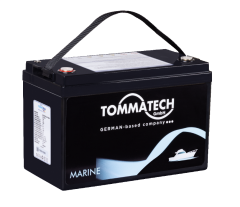
Lithium or Gel Battery?
Lithium or gel battery? There is no definitive answer to this question. The right choice depends on the needs and the system. However, lithium batteries are preferred by those seeking long lifespan, fast charging, and low maintenance; while gel batteries are better suited for those who want to save money through economical and efficient use.
With Yapıbahçe's expertise, you can find the most suitable battery option for your needs and have a safe and long-lasting energy system.