


What is a gel battery? How does it work?
Batteries are devices that store electrical energy as chemical energy and convert that stored energy back into electrical energy when needed. Gel batteries , on the other hand, are batteries in which the electrolyte, which is liquid in a standard battery, is present in a gel form.
Gel batteries operate on the principle of preventing the release of the gas inside and allowing the remaining gas to transform into a gel through a chemical reaction. In other words, gel batteries work within a conversion cycle. The battery life is not affected when the gelled gas is used as electrical energy.
Gel batteries utilize a valve system to prevent the gas inside from escaping. This valve system prevents the pistons inside the cylinder from moving. By preventing the gases from escaping, the battery's efficiency and lifespan are increased.
What is the working principle of gel batteries?
With recent technological advancements, gel batteries are gaining prominence among battery types. In gel batteries, a homogeneous structure is obtained by mixing sulfuric acid and sooty silica. The most important factor in the frequent preference for gel battery models and types is their resistance to high temperatures and vibrations. Thanks to this feature, they are increasingly preferred in renewable energy sources.
One of the advantages of gel batteries is their deep discharge capability. This feature means that the gel inside the battery is not negatively affected when it is recharged. Therefore, problems encountered when recharging other types of batteries are avoided. Thanks to this feature, gel batteries have a long lifespan and high efficiency.
What are the applications of gel batteries?
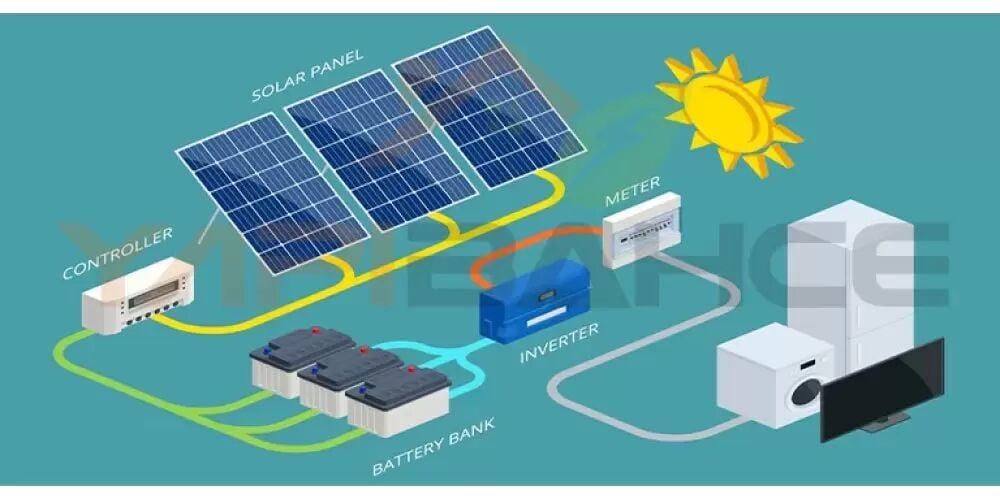
Gel batteries are most frequently used in renewable energy sources, especially in devices that convert solar energy into chemical energy. They offer high efficiency and capacity, as well as high energy potential. Examples of gel battery applications include the telecommunications sector, boats, caravans, and advanced cleaning machines.
What is the difference between gel batteries and other batteries?
• One of the main features that distinguishes gel batteries from other batteries is their high capacity, which is approximately 75% higher.
• Gel batteries are priced according to the performance they offer. This results in different price and capacity options depending on the application.
Another important advantage of gel batteries is that, because they do not contain liquid, they do not leak and therefore do not cause environmental damage.
• They offer 4-5 times more usage time compared to flooded batteries.
Gel batteries have a wide range of applications, particularly in boats, but also in solar energy systems.
• Gel batteries are less likely to leak than liquid batteries.
• Gel batteries, which belong to the lead-acid group, have a longer lifespan. This means you can use the gel battery for many years.
• Gel batteries are more resistant to vibration and wear compared to other types of batteries.
• It is easily rechargeable and has a more durable structure.
Are gel batteries harmful?
Gel batteries require less maintenance than liquid batteries. Because they don't need any water added, they are called maintenance-free batteries . Gel batteries have small ventilation windows, which prevent the gas inside from escaping. Unless the pressure is excessively high, gas escape is not observed. Excessive stress on the battery during maintenance can cause damage. Damage during maintenance can not only lead to gas escape but also shorten the lifespan of the gel battery . Therefore, it is beneficial to be careful when performing maintenance.